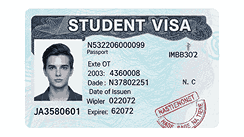
What Is The Definition Of A Student Visa?
A student visa is a legal document or authorization granted by a government that permits an individual to enter and stay in a foreign country specifically for educational purposes. The primary purpose of a student visa is to allow international students to enroll in academic institutions such as universities, colleges, or specialized training schools abroad. Depending on the country, the student visa may come with conditions, such as restrictions on employment, mandatory health insurance, proof of financial capability, and compliance with the academic program. Student visas are typically temporary but may be extended based on the length of study. Without this official visa, international students cannot legally pursue education abroad, making it a critical step for those who seek global education opportunities.
Types Of Student Visas
Student visas vary by country and can include multiple categories. For example, in the United States, the F-1 visa is issued for academic studies, while the M-1 visa applies to vocational or technical training. In the United Kingdom, the Student Route visa covers higher education courses, while the Short-Term Study visa is designed for language or short courses. Canada offers a study permit that functions as a student visa, while Australia grants a Subclass 500 visa. Each type of visa has its eligibility criteria, financial requirements, and work limitations. Choosing the right visa depends on the student’s study goals, duration of program, and the specific laws of the destination country.
Factors That Influence The Cost Of A Student Visa
The cost of a student visa depends on several factors. First, each country sets its visa fees differently, often ranging between $100 and $500. Second, additional expenses may include application fees, biometric charges, health surcharges, or SEVIS fees for the U.S. Third, students may need to pay for health insurance or medical examinations, which can significantly increase total expenses. Another factor is currency exchange rates, as fluctuations may change the final amount paid in the local currency. Administrative costs, embassy charges, and optional services such as faster processing also influence the overall cost. Understanding these factors helps students prepare an accurate budget before applying for a student visa.
Average Cost Of Student Visa By Country
Student visa costs vary greatly worldwide. In the United States, the F-1 visa application fee is currently $185, with an additional SEVIS fee of $350. In the United Kingdom, the student visa costs £490 plus a health surcharge of around £776 per year. Canada charges approximately CAD 150 for its study permit, while Australia requires around AUD 710. European countries like Germany and France typically charge between €60 and €100, though students must also show proof of financial support. Japan requires about ¥3,000 to ¥6,000 depending on the visa type. These examples show that the overall cost is not limited to the application fee but also includes other related expenses.
Additional Expenses Associated With A Student Visa
Beyond the visa application fee, students should prepare for additional costs. One common requirement is medical examinations, which may cost between $100 and $300 depending on the country. In some cases, proof of health insurance is mandatory, adding further annual expenses. Students may also pay for document translations, courier services, or notary certifications. In the U.K., the Immigration Health Surcharge is compulsory, while in the U.S., the SEVIS fee must be paid separately. Some countries also request proof of sufficient funds, requiring bank statements or deposits that may temporarily restrict financial flexibility. All these extra costs should be factored into the total budget for studying abroad.
Application Process For A Student Visa
The student visa application process typically begins with securing admission into a recognized educational institution abroad. Once the admission letter is obtained, the student completes the visa application form online or at the embassy. Applicants usually submit supporting documents, such as a valid passport, financial evidence, health records, and academic transcripts. Payment of the visa fee is mandatory before scheduling an appointment at the embassy or consulate. Many countries require biometric data collection and a personal interview. Processing times vary, ranging from two weeks to several months. Students should apply well in advance to avoid delays and ensure timely entry before the academic program begins.
How To Reduce The Cost Of A Student Visa
Although student visa fees are fixed by governments, students can reduce overall costs with smart planning. First, applying early helps avoid expedited service fees. Second, choosing affordable medical clinics for mandatory health checks can save money. Third, ensuring documents are correctly prepared reduces the risk of rejection and reapplication fees. Some countries allow students to work part-time, which helps offset expenses. Scholarships from institutions may also cover related fees. Additionally, using digital submission instead of courier services lowers costs. By researching the exact requirements of the destination country, applicants can avoid unnecessary expenses and ensure financial readiness for their education abroad.
Common Mistakes To Avoid When Applying For A Student Visa
Many students make avoidable errors during their visa application. Submitting incomplete documents is one of the most common mistakes. Others underestimate the financial requirements, leading to visa denials. Failure to pay the correct visa fee or forgetting additional charges such as health surcharges may cause delays. Some students provide inconsistent information between their application and academic records, raising red flags. Late applications also risk rejection due to insufficient processing time. To avoid these mistakes, applicants must carefully follow official guidelines, double-check requirements, and consult with their school’s international office or a certified immigration advisor for proper guidance.
Conclusion
The cost of a student visa is an essential factor for any international student planning to study abroad. While application fees vary between countries, additional expenses such as health insurance, biometrics, or medical examinations significantly influence the total cost. Proper planning, research, and preparation help minimize unnecessary spending. By understanding the different student visa types, the application process, and the associated requirements, prospective students can ensure a smooth and affordable journey toward achieving their educational goals abroad.
Frequently Asked Questions
1. How Much Does A Student Visa Cost?
The cost of a student visa varies depending on the country of study, but generally ranges from $100 to $500 for application fees. However, this is only part of the expense, as many governments also impose additional charges. For example, in the United States, applicants must pay $185 for the visa fee plus $350 for the SEVIS fee. In the United Kingdom, the student visa costs £490, along with an annual Immigration Health Surcharge of about £776. Canada charges CAD 150, while Australia requires AUD 710. It is also important to consider medical exams, biometrics, insurance, and other mandatory requirements, which may increase the total cost significantly.
2. What Is Included In The Student Visa Fee?
The student visa fee usually covers the cost of processing the application and verifying the applicant’s eligibility to study in the country. It typically includes administrative charges for reviewing documents, conducting background checks, and processing biometric data. However, the fee does not usually cover additional requirements such as health examinations, insurance, translations, or courier services. For example, in the United States, students must also pay the SEVIS fee, while in the U.K., the Immigration Health Surcharge is separate from the visa fee. Therefore, applicants should budget not only for the application fee but also for the numerous associated costs that may apply.
3. Why Do Student Visa Costs Differ Between Countries?
Student visa costs differ because each government sets its own fee structure to cover administrative, security, and immigration-related services. Some countries, such as Germany, keep visa fees relatively low, while others, like Australia or the U.K., set higher costs due to additional healthcare or security expenses. Exchange rate fluctuations also affect the final amount students pay in their home currency. Moreover, some countries bundle health surcharges, biometrics, and other services into their visa costs, while others separate them. Ultimately, the differences reflect each nation’s immigration policies, cost of living, and the resources required to process international student applications efficiently.
4. Can A Student Visa Fee Be Refunded If Denied?
In most cases, student visa fees are non-refundable, even if the application is denied. Governments collect these fees to cover the administrative costs of processing and reviewing applications, which are incurred regardless of the outcome. However, certain optional service fees, such as expedited processing or courier delivery, may be refundable depending on the embassy’s policies. Some countries may allow reapplication using the same payment receipt if the rejection was due to missing documents, but this is not common. Therefore, students should ensure their applications are accurate, complete, and supported with proper documentation before submission to avoid financial losses.
5. Do Student Visas Have Hidden Costs?
Yes, student visas often have hidden or indirect costs that applicants may overlook. Beyond the application fee, students may be required to pay for biometric data collection, medical check-ups, or health insurance. In the United States, the SEVIS fee is separate from the visa application fee. In the U.K., students must pay the Immigration Health Surcharge annually. Some countries require document translations, apostille certification, or courier services, which add to the total expense. Even transportation to visa interviews or travel to the embassy can be considered hidden costs. Planning for these additional expenses helps prevent financial surprises.
6. How Can Students Budget For Visa Costs?
Students can budget for visa costs by first researching the official visa fee and identifying all additional charges, such as health surcharges, medical exams, or biometrics. Creating a checklist of required expenses ensures nothing is overlooked. Students should also set aside extra funds to account for currency fluctuations or unexpected costs, such as reapplication fees in case of errors. Keeping savings separate for visa-related expenses helps avoid mixing it with tuition or living costs. Many universities provide guidance on expected visa expenses, and consulting them can help students prepare a more accurate budget before starting the application process.
7. Are There Scholarships That Cover Student Visa Fees?
While most scholarships cover tuition fees, accommodation, or living expenses, very few specifically include student visa fees. However, some government-funded programs, such as Fulbright in the U.S. or Chevening in the U.K., may reimburse visa-related costs for selected scholars. Certain universities also offer financial assistance to cover mandatory expenses like insurance or travel, which may indirectly reduce the burden of visa fees. Students should carefully read scholarship details to determine if such coverage is available. If not, budgeting separately for the visa fee is necessary, as it is usually a personal expense that must be paid upfront.
8. How Long Does It Take To Process A Student Visa After Payment?
The processing time for a student visa varies depending on the country, embassy workload, and application accuracy. In general, it may take anywhere from two weeks to three months. For instance, U.S. F-1 visas typically take several weeks, while Canadian study permits may take over a month. Some countries offer priority or expedited services for an extra fee, reducing wait times significantly. Delays can occur if documents are missing or additional background checks are required. Therefore, students should apply as early as possible after receiving their admission letter to ensure timely approval before classes begin.
9. What Happens If A Student Cannot Pay The Visa Fee?
If a student cannot pay the visa fee, their application will not be processed, and they will be unable to obtain legal permission to study abroad. Governments require full payment upfront as proof of financial responsibility. In such cases, students may seek financial help from family, apply for loans, or request support from their institution’s international office. Some scholarships may provide reimbursements, though this is rare. Without payment, the process cannot proceed, and the visa application may be canceled. This makes it crucial for students to prepare funds in advance to avoid losing valuable time and opportunities.
10. Is Health Insurance Included In The Student Visa Cost?
Health insurance is usually not included in the basic student visa cost but is often a mandatory requirement for approval. Some countries, like the U.K., charge the Immigration Health Surcharge alongside the visa application, which grants access to the National Health Service. In Australia and Canada, students must purchase approved health insurance policies separately before the visa can be issued. The cost varies depending on the duration of stay and coverage type, ranging from a few hundred to over a thousand dollars annually. Therefore, students should factor in health insurance expenses when budgeting for visa-related costs.
11. Can A Student Visa Fee Increase After Application Submission?
Once the application has been submitted and the fee paid, most countries do not increase the cost retroactively for that application. However, visa fees may change periodically due to government policy updates, inflation, or administrative adjustments. Applicants who delay their submission until after a price change may end up paying the higher fee. Additionally, if extra services such as expedited processing are requested after submission, additional charges will apply. Therefore, it is advisable to submit applications promptly after receiving admission letters to lock in the current fee structure and avoid unexpected increases in costs.
12. How Do Exchange Rates Affect Student Visa Costs?
Exchange rates play a major role in determining how much students pay in their local currency. Visa fees are usually set in the currency of the destination country, meaning applicants must convert their home currency to make the payment. When exchange rates fluctuate, the actual cost can rise significantly, especially if the student’s local currency weakens. For example, paying a U.K. visa fee in pounds may become more expensive if the applicant’s home currency depreciates. To minimize losses, students can monitor exchange rates and pay early when the conversion rate is favorable, ensuring predictable financial planning.
13. Can A Student Work To Cover Visa Fees After Arrival?
Most countries allow international students to work part-time while studying, but the visa fee must be paid before entry, making it impossible to use income from overseas work to cover the initial application. However, once the student begins studying, part-time jobs can help offset ongoing expenses, including health insurance renewals or visa extensions. For example, students in Australia may work up to 24 hours per week during term time, while U.K. student visa holders may work up to 20 hours. Although work opportunities exist, visa fees and related costs must be covered upfront before departure.
14. What Additional Fees Apply To A U.S. Student Visa?
For U.S. student visas, applicants must pay the $185 application fee and the $350 SEVIS (Student and Exchange Visitor Information System) fee. Depending on the consulate, biometric data collection or appointment scheduling fees may also apply. Some students may require courier services to send documents, which adds extra costs. Health insurance is not included in the visa cost but is typically required by U.S. universities. In addition, students should consider travel expenses to the embassy or consulate for interviews. Altogether, the actual cost of obtaining a U.S. student visa often exceeds the application fee alone.
15. How Much Does A U.K. Student Visa Cost Including Health Surcharge?
A U.K. student visa currently costs £490 for the application itself. However, the Immigration Health Surcharge (IHS) is a compulsory additional fee charged annually, amounting to around £776 for students. For a three-year degree program, the IHS alone could exceed £2,000, making the total cost much higher than the initial application fee. This surcharge provides access to the National Health Service, ensuring students receive medical treatment while studying in the U.K. Therefore, when budgeting for a U.K. student visa, applicants must include both the visa fee and the recurring health surcharge to get an accurate estimate.
16. What Is The Cheapest Student Visa?
The cheapest student visas are often found in European countries such as Germany, France, or Italy, where fees range from €60 to €100. These countries prioritize affordable education and often require only proof of financial support rather than high application fees. In comparison, destinations like the United States, the United Kingdom, and Australia charge much higher fees due to additional surcharges and stricter requirements. While the upfront cost may be lower in Europe, students must still consider the cost of living, health insurance, and proof of financial stability. Thus, affordability depends on both visa and living costs combined.
17. Can Student Visa Costs Change Yearly?
Yes, student visa costs can change annually, as governments adjust fees to match inflation, administrative expenses, or new immigration policies. For example, the United Kingdom has increased its student visa fees and Immigration Health Surcharge several times in recent years. Similarly, the U.S. regularly updates its SEVIS fee and application charges. Australia and Canada also revise their rates depending on policy changes. Students planning to apply should always check the official government immigration website before budgeting. Submitting an application early can sometimes protect against fee increases, but once adjusted, new rates apply to future applicants.
18. What Happens If A Student Visa Application Is Denied After Payment?
If a student visa application is denied after payment, the applicant generally loses the application fee, as it is non-refundable. The denial does not mean the student cannot reapply, but they will need to pay the fee again for a new application. Rejection reasons often include incomplete documents, insufficient funds, or lack of proof of academic intent. Students should carefully review the reasons for denial and correct mistakes before reapplying. Some optional service charges, such as expedited fees, may be refunded depending on embassy policy, but the main visa fee is usually lost.
19. Do Students Need To Pay Visa Fees Again For Renewals?
Yes, students must pay visa fees again when applying for renewals or extensions. For example, if a degree program lasts longer than the initial visa period, an extension must be requested, and a new fee paid. In the U.K., students renewing visas also continue to pay the Immigration Health Surcharge annually. In the U.S., students may extend their stay by updating their SEVIS records, which may involve additional charges. Each country has specific renewal requirements, but nearly all require a fresh payment to cover processing and administrative services. Therefore, renewals should be factored into long-term budgeting.
20. How Do Students Avoid Losing Money On Visa Fees?
Students can avoid losing money on visa fees by carefully following application guidelines and preparing complete documentation. Submitting incorrect or incomplete forms is one of the main reasons for rejection, leading to financial losses. To prevent this, applicants should double-check all information, ensure financial proof is sufficient, and prepare early to avoid last-minute errors. Consulting the university’s international student office or using official government resources can provide accurate guidance. Applying well in advance allows time to correct mistakes without extra costs. Being organized and well-prepared is the best way to protect against losing money unnecessarily on visa fees.
Further Reading
- Which Countries Offer A Student Visa?
- Can I Work On A Student Visa?
- How Long Does It Take To Get A Student Visa?
- What Are The Requirements For A Student Visa?
- How To Apply For A Student Visa: A Step-by-step Guide
- What Is A Student Visa? | Definition, Meaning, Types, Application Process, Eligibility Requirements, Duration, Validity Of A Student Visa
- Can A United States (U.S.) Visa (American Visa) Be Revoked At The Airport?
- Does A United States (U.S.) Visa (American Visa) Expire?
- What Happens If My United States (U.S.) Visa (American Visa) Expires While I Am In The U.S.?
- Can I Apply For Multiple United States (U.S.) Visa (American Visa) Categories At Once?
- Do I Need A United States (U.S.) Visa (American Visa) If I Have A Green Card?