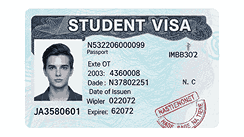
What Is The Definition Of A Student Visa?
A student visa is an official immigration document issued by a country that allows foreign nationals to enter and stay within its borders for the primary purpose of pursuing academic studies. This visa type is specifically designed for international students who are enrolled in accredited educational institutions such as universities, colleges, or vocational schools. A student visa typically comes with certain conditions, including restrictions on employment, duration of stay, and academic performance requirements. Applicants usually need to present proof of admission, financial stability, and sometimes language proficiency. The visa serves as both permission to study and temporary residency for the duration of the program. Regulations and benefits of a student visa vary depending on the host country’s immigration policies.
Requirements For Obtaining A Student Visa
To obtain a student visa, applicants must first secure admission into a recognized academic institution in the host country. The requirements usually include a valid passport, an official letter of acceptance, proof of sufficient funds to cover tuition fees and living expenses, and sometimes health insurance coverage. Some countries also request language proficiency test results, such as IELTS or TOEFL, to ensure the student can communicate effectively in the language of instruction. Additionally, applicants may need to undergo medical examinations, background checks, and interviews at the consulate or embassy. Ensuring compliance with these requirements increases the chances of visa approval and smooths the transition into the host country for academic studies.
Types Of Student Visas
Student visas are categorized into different types depending on the host country and the level of study. For example, in the United States, the most common student visas are F-1 for academic studies, J-1 for exchange programs, and M-1 for vocational or non-academic training. In the United Kingdom, students typically apply for the Tier 4 visa for long-term studies, while short-term study visas are available for language courses or programs under six months. Canada issues study permits, while Australia offers subclass visas like the Student Visa (Subclass 500). Each type has unique conditions concerning work rights, program eligibility, and duration. Understanding the available categories helps international students select the most appropriate visa for their academic goals.
Work Opportunities While Studying On A Student Visa
One of the most common concerns among international students is whether they can work while studying on a student visa. Most countries allow limited work opportunities to help students gain experience and supplement their income. Typically, students are permitted to work part-time during academic sessions, often capped at around 20 hours per week, and full-time during holidays or scheduled breaks. However, restrictions vary greatly depending on the host country. In some cases, employment must be on-campus or within approved sectors. Exceeding the permitted work hours can lead to severe consequences, including visa cancellation. Therefore, international students must carefully review their visa conditions to remain compliant while benefiting from work opportunities.
Benefits Of Working On A Student Visa
Working while holding a student visa provides several benefits beyond financial support. Firstly, it offers international students practical experience in their field of study, helping them build resumes and improve employability. Secondly, part-time employment allows students to develop communication skills, cultural awareness, and professional networks within the host country. Many students also find that working helps them integrate better into society, enhancing both academic and personal growth. Additionally, income earned from part-time jobs helps reduce the financial burden of tuition fees, accommodation, and living expenses. However, students must balance work commitments with academic responsibilities to ensure that employment does not negatively affect their studies or violate visa conditions.
Restrictions On Working With A Student Visa
While many countries allow international students to work, strict restrictions apply to ensure that academic goals remain the primary focus. Common restrictions include limits on weekly work hours, prohibitions on self-employment or freelance work, and requirements to work only in approved roles or locations. Some countries specify that international students can only work on-campus during their first year of study before being permitted to work off-campus. Unauthorized employment can result in penalties such as fines, deportation, or permanent bans from re-entry. Understanding and adhering to these restrictions is essential for maintaining legal status, protecting future immigration opportunities, and successfully completing academic programs abroad.
Post-Graduation Work Options For Student Visa Holders
Many countries provide post-graduation work opportunities for international students who complete their studies successfully. These options allow graduates to gain practical experience, improve career prospects, and in some cases, transition to permanent residency. For instance, in the United States, students on F-1 visas can apply for Optional Practical Training (OPT) or Curricular Practical Training (CPT). In Canada, the Post-Graduation Work Permit Program (PGWPP) enables graduates to work for up to three years, depending on their course length. Australia also offers temporary graduate visas. These pathways encourage students to contribute to the host country’s workforce while enhancing their professional development. Understanding these options helps students plan future career goals effectively.
How To Balance Studies And Work On A Student Visa
Balancing work and studies on a student visa requires effective time management and prioritization. Students should first ensure that their academic commitments, such as classes, assignments, and examinations, are not compromised by work schedules. Developing a weekly plan that allocates sufficient study hours while incorporating part-time work shifts helps maintain equilibrium. It is important to choose jobs with flexible working hours or roles that align with academic timetables. Employers in student-heavy locations are often accommodating to study-related needs. Additionally, setting aside time for rest and self-care prevents burnout. By maintaining a healthy balance, international students can excel academically while benefiting from the financial and experiential advantages of part-time employment.
Advantages Of On-Campus Jobs For Student Visa Holders
On-campus jobs offer significant advantages for international students studying on a student visa. These roles, often available within universities or colleges, include positions in libraries, cafeterias, administrative offices, or tutoring centers. On-campus employment usually has more flexible schedules that accommodate academic commitments, making it easier to balance work and study. Additionally, working within the campus environment allows students to remain close to academic resources, eliminating travel time and costs. On-campus jobs also provide opportunities for networking with faculty, peers, and administrators, which can enhance both academic and professional growth. Since these positions are typically pre-approved under visa regulations, they offer a safe and compliant way for students to earn extra income.
Limitations Of Off-Campus Jobs On A Student Visa
Off-campus jobs, though attractive, come with limitations for international students on a student visa. Many countries require students to complete a minimum period of study, often one academic year, before being eligible to work off-campus. Furthermore, these jobs are subject to strict work-hour restrictions, typically capped at 20 hours per week during term time. Unauthorized off-campus employment can result in visa violations and potential deportation. Additionally, off-campus work may demand more travel time, making it harder to balance with academic responsibilities. While off-campus jobs can provide valuable real-world experience, students must ensure they comply fully with their visa conditions to avoid jeopardizing their education and immigration status.
Internship Opportunities For International Students On Student Visas
Internships are a valuable way for international students to gain practical experience while studying abroad. Many student visa regulations permit internships if they are directly related to the field of study and approved by the educational institution. Internships may be paid or unpaid, and in some countries, they can count toward work-hour allowances under visa rules. For example, U.S. students on F-1 visas can participate in Curricular Practical Training (CPT) programs, which allow them to work in internships relevant to their courses. These opportunities not only provide hands-on experience but also enhance resumes and open doors for future career opportunities. Compliance with visa requirements ensures that internships remain beneficial and lawful.
Scholarships And Financial Support For Student Visa Holders
International students on a student visa often face financial challenges, but scholarships and financial support options are available to ease the burden. Many universities offer merit-based or need-based scholarships that reduce tuition costs. Governments and private organizations also provide grants, fellowships, and financial aid for foreign students. Some scholarships are specifically designed for students from developing countries, promoting cultural exchange and educational development. Financial support programs often require strong academic performance, community involvement, or research contributions. Applying for multiple funding opportunities can significantly lower the overall cost of education, reducing the need for part-time employment. Understanding available scholarships helps students maximize resources and focus on their academic success abroad.
Challenges Of Working On A Student Visa
While working on a student visa offers many advantages, it also presents challenges. Students may struggle with time management, finding it difficult to balance work responsibilities with academic requirements. Language barriers and cultural differences can make communication in the workplace challenging. Moreover, limited work hours and low-paying jobs may not provide sufficient financial support, creating additional stress. Strict visa regulations also mean that any mistakes, such as exceeding allowed work hours, can have severe immigration consequences. Furthermore, students may face exploitation if employers take advantage of their visa status. Overcoming these challenges requires resilience, effective planning, awareness of rights, and strong support systems from academic institutions and student communities.
Legal Consequences Of Violating Student Visa Work Rules
Violating work rules under a student visa can lead to severe legal consequences. Immigration authorities closely monitor compliance with visa conditions, and any unauthorized employment may result in visa revocation. Consequences include fines, deportation, or bans on re-entering the host country. In some cases, violations may negatively affect future visa applications, including work visas or permanent residency opportunities. Employers who knowingly hire students in breach of their visa terms can also face penalties. To avoid these risks, students must stay informed about their work rights, carefully review official visa regulations, and seek guidance from designated school officials or immigration lawyers when in doubt. Compliance ensures both legal safety and academic continuity.
Cultural And Professional Benefits Of Student Employment Abroad
Working abroad while holding a student visa provides cultural and professional benefits that extend beyond financial gain. By engaging in part-time jobs, students interact with local residents, enhancing their cultural understanding and adaptability. This exposure promotes cross-cultural communication skills and broadens perspectives, which are highly valued in today’s globalized workforce. Professionally, even entry-level jobs allow students to build work ethics, teamwork, and customer service abilities. Networking with employers and colleagues can open future career opportunities both in the host country and internationally. These benefits contribute to personal growth, making student employment a valuable complement to academic studies, as long as visa regulations and study commitments remain a priority.
Preparing For Employment While On A Student Visa
Preparation is key for students intending to work while studying abroad on a student visa. Researching visa conditions beforehand ensures students understand the legal boundaries of employment. Developing a strong resume tailored to the host country’s job market increases chances of securing part-time work. Networking through campus events, career centers, and student associations can lead to employment opportunities. It is also beneficial to practice language skills and familiarize oneself with workplace culture in the host country. Preparing academically by maintaining good grades ensures eligibility for internships and on-campus opportunities. Proper planning allows students to maximize the financial, professional, and cultural advantages of working abroad without compromising academic success or visa status.
Future Career Benefits Of Student Visa Employment
Working while studying on a student visa can have long-term career benefits. The professional experience gained, whether through internships, part-time jobs, or volunteer work, strengthens a student’s resume and makes them more competitive in the global job market. Employers often value candidates who have international work experience, cultural adaptability, and language skills developed through overseas employment. Additionally, students build professional networks that may lead to job offers or postgraduate opportunities in the host country. These experiences not only enhance employability but also provide confidence and problem-solving abilities needed in professional careers. When managed properly, student visa employment becomes an investment in future success beyond academic achievements.
Conclusion
Studying abroad on a student visa offers life-changing educational and cultural experiences, and the opportunity to work while studying can greatly enrich this journey. While most countries allow limited part-time work for student visa holders, strict conditions apply, requiring careful compliance. By understanding the benefits, restrictions, and potential risks, international students can make informed decisions that enhance their academic, financial, and professional growth. Employment opportunities, whether on-campus, off-campus, or through internships, provide valuable experience and cultural exposure that contribute to long-term success. Ultimately, balancing study and work effectively allows students to fully benefit from their time abroad while staying within legal immigration requirements.
Frequently Asked Questions
1. Can I Work On A Student Visa?
Yes, you can often work on a student visa, but the rules vary depending on the host country. In most cases, student visas allow limited part-time work during academic sessions and full-time work during breaks. For instance, in the United States, F-1 visa holders may work up to 20 hours a week on-campus and apply for off-campus employment through programs like Optional Practical Training (OPT) or Curricular Practical Training (CPT). Other countries, such as Canada and Australia, have similar restrictions and opportunities. It is crucial to review the conditions of your specific visa to avoid violations. Unauthorized work can result in serious consequences, including visa revocation and deportation.
2. How Many Hours Can I Work On A Student Visa?
The number of hours you can work on a student visa depends on the country’s immigration policies. Generally, international students are allowed to work part-time for up to 20 hours per week during school sessions and full-time during scheduled holidays or breaks. Some countries may limit employment to on-campus positions during the first year before allowing off-campus opportunities. Exceeding these limits can lead to visa violations and penalties such as deportation or bans on re-entry. To ensure compliance, students should always check official immigration guidelines, consult with school officials, and keep track of their work hours carefully while balancing their studies effectively.
3. Can I Work Off-Campus On A Student Visa?
Yes, in many countries, students can work off-campus while holding a student visa, but restrictions often apply. Typically, you may need to complete at least one academic year before becoming eligible for off-campus employment. Immigration authorities may also require specific permits or approval from your institution. Work-hour limits, usually capped at 20 hours per week during academic terms, still apply. Unauthorized off-campus work can result in severe consequences such as visa revocation, fines, or deportation. Students interested in off-campus opportunities should confirm eligibility with their educational institution and immigration office to ensure that they remain compliant with all regulations while pursuing employment.
4. Can I Do An Internship While On A Student Visa?
Yes, internships are generally permitted under student visa rules, provided they comply with immigration requirements. Many visas allow internships if they are related to the field of study and approved by the school. For instance, in the United States, F-1 visa holders may engage in Curricular Practical Training (CPT), which enables students to work in internships connected to their coursework. Paid or unpaid internships may count toward weekly work-hour limits, depending on local regulations. Internships are valuable for gaining practical experience, building professional networks, and improving employability. Students must ensure their internships align with visa conditions to avoid penalties and protect their legal status.
5. Can I Work Full-Time On A Student Visa During Holidays?
In most countries, student visa holders are allowed to work full-time during academic breaks, holidays, or vacation periods. This flexibility gives international students the chance to earn extra income and gain additional work experience when classes are not in session. For example, in Canada and Australia, students are permitted to work full-time during official school holidays, provided they remain enrolled in their academic program. However, regulations may differ depending on the host country and type of visa. To avoid violating immigration laws, students should confirm the specific holiday work rights stated in their visa conditions before committing to full-time employment opportunities.
6. Can I Work On A Student Visa Without Permission?
No, working on a student visa without proper permission or authorization is illegal and can lead to serious consequences. Immigration authorities enforce strict regulations, and unauthorized work may result in fines, cancellation of the visa, deportation, and future travel restrictions. Even if an employer is willing to hire you, the responsibility lies with the student to ensure that the job complies with visa conditions. It is important to seek approval from designated school officials or immigration services before starting any job. Always verify the legal requirements to protect your academic journey and long-term opportunities in the host country.
7. Can I Apply For A Work Visa After A Student Visa?
Yes, many countries offer pathways for student visa holders to transition into work visas after completing their studies. For example, in the United States, F-1 students may apply for Optional Practical Training (OPT) or STEM OPT extensions. Canada provides the Post-Graduation Work Permit Program (PGWPP), while Australia offers Temporary Graduate visas. These work visas allow graduates to gain professional experience and, in some cases, serve as stepping stones to permanent residency. To qualify, students typically need to complete their academic program successfully and meet specific eligibility requirements. Researching post-study work opportunities helps students plan for their long-term career goals effectively.
8. Can I Work Remotely On A Student Visa?
Working remotely on a student visa can be complicated, as most countries restrict freelance or self-employment activities for international students. While some may allow part-time remote jobs with approved companies, many prohibit independent contract work or running a business. Immigration authorities generally require clear employment records to monitor compliance with visa rules, making remote work difficult to regulate. Engaging in unauthorized freelance or online jobs could lead to visa violations and penalties. Students interested in remote work should check official guidelines and consult their school’s international office to confirm whether such employment is permitted under their visa conditions.
9. Can I Work On-Campus With A Student Visa?
Yes, on-campus work is often the most accessible option for students on a student visa. Many countries allow students to work in positions within their universities, such as library assistants, administrative aides, cafeteria workers, or research assistants. These jobs typically have flexible schedules that align with academic commitments, making them ideal for international students. On-campus employment is also usually pre-approved under visa regulations, minimizing the risk of violations. Working on-campus allows students to build networks, gain experience, and earn income while remaining in compliance with immigration laws. It is one of the safest and most reliable ways to work while studying abroad.
10. Can I Work Part-Time On A Student Visa?
Yes, most student visas allow part-time work, usually limited to 20 hours per week during academic terms. Part-time jobs can include roles such as retail assistants, tutors, baristas, or administrative staff. Part-time employment provides students with financial support while allowing them to gain practical skills and adapt to local culture. However, it is essential to prioritize studies and avoid exceeding the permitted hours to maintain legal status. Overworking can lead to immigration penalties, including visa cancellation. Students should choose flexible jobs that accommodate their schedules and ensure compliance with all visa conditions to avoid complications during their academic journey.
11. Can I Work While Waiting For My Student Visa To Be Approved?
No, you cannot legally work while waiting for your student visa to be approved. Immigration laws generally require you to have received official visa approval and entered the host country under the correct visa status before starting employment. Engaging in work without proper authorization may result in visa denial, deportation, or long-term bans from entering the country. Some countries allow work opportunities under visitor or temporary permits, but these are usually separate from student visa conditions. Students must wait until their visa is fully granted before pursuing any job to ensure compliance with immigration laws and avoid legal consequences.
12. Can I Work On A Student Visa Immediately After Arrival?
Yes, in many countries, international students can begin working immediately after arrival, provided their student visa
ChatGPT said:
Error in message stream
Retry
You said:
Continue
ChatGPT said:
status permits employment. For instance, in the U.S., F-1 visa holders can start on-campus work upon enrollment, while off-campus work requires authorization such as Curricular Practical Training (CPT). In Canada and Australia, students can begin part-time work immediately after starting classes if the visa explicitly allows it. However, some countries may restrict work during the initial weeks or require registration with the university’s international office before employment. It is crucial to verify the start date for legal work in your visa documentation. Beginning work without meeting these requirements can lead to violations, jeopardizing both the student visa and future immigration opportunities.
13. Can I Change Jobs While On A Student Visa?
Yes, students can change jobs while on a student visa, but there are conditions to consider. On-campus job changes are usually straightforward and require notifying the university. For off-campus employment, especially positions authorized through programs like CPT or OPT, students may need approval from their school’s international office or immigration authorities. Work-hour limits and visa restrictions continue to apply regardless of job changes. It is essential to ensure that the new job complies with visa conditions to avoid legal issues. Proper documentation and reporting of job changes help maintain compliance and ensure continued eligibility for employment during the student’s academic program.
14. Can I Be Fired While Working On A Student Visa?
Yes, international students can be fired while working on a student visa just like any other employee. Losing a job does not automatically violate visa conditions, provided that employment was authorized and work-hour restrictions are maintained. However, it may affect financial stability and the ability to support living expenses, which could indirectly impact visa compliance if students rely on income to meet financial requirements. Students should immediately report employment changes to their university’s international office, especially if on off-campus programs like CPT or OPT. Maintaining open communication ensures continued legal status and helps identify alternative work opportunities if necessary.
15. Can I Work And Study Simultaneously On A Student Visa?
Yes, balancing work and study simultaneously is possible on a student visa, but it requires careful time management. Students must prioritize academic responsibilities while fulfilling work commitments within legal limits. Effective planning, including creating schedules for classes, assignments, and part-time jobs, is essential to avoid burnout. Many students choose on-campus employment or internships closely aligned with their studies to maintain balance. Employers and universities often accommodate student schedules, but exceeding permitted work hours can lead to visa violations. Proper balance allows students to gain work experience, earn income, and enhance professional skills while completing their academic programs successfully.
16. Can I Work During Summer Break On A Student Visa?
Yes, most student visas permit full-time employment during summer breaks or other academic holidays. This period allows students to earn additional income and gain more professional experience without conflicting with study obligations. For example, U.S. F-1 students can work full-time during summer if on-campus or with appropriate off-campus authorization. Similarly, Canadian and Australian students may take advantage of vacation work privileges. However, students must still comply with visa conditions and report employment if required. Summer employment is an excellent opportunity to develop skills, network with employers, and prepare for post-graduation work opportunities while maintaining legal immigration status.
17. Can I Work In Multiple Jobs On A Student Visa?
Yes, students can hold multiple jobs on a student visa, provided total working hours do not exceed legal limits and all employment is authorized. Most countries cap part-time work at around 20 hours per week during academic sessions, regardless of the number of jobs held. On-campus positions are generally easier to combine, while off-campus jobs often require permission or additional paperwork. Students must carefully track total hours worked across all jobs to avoid violations. Maintaining compliance ensures that they retain legal status, avoid fines or deportation, and gain maximum benefit from employment experiences. Proper planning and employer communication are key to successfully managing multiple jobs.
18. Can I Volunteer While On A Student Visa?
Yes, volunteering is usually allowed for students on a student visa and does not count toward work-hour limits if unpaid. Volunteer work offers opportunities to gain experience, improve language skills, and integrate into local communities. Many students choose roles related to their field of study, enhancing resumes and professional networks. However, students should confirm that the volunteer position is unpaid and does not violate visa conditions. Some countries have specific restrictions on volunteer work that mimics paid employment. Consulting the university’s international office ensures that volunteer activities remain compliant while providing meaningful personal and professional growth opportunities.
19. Can I Work On A Student Visa And Apply For Permanent Residency Later?
Yes, working on a student visa can support future applications for permanent residency, particularly in countries that value skilled international graduates. Employment experience gained legally during studies, internships, or post-graduation work permits can contribute to eligibility for points-based immigration programs or job experience requirements. For example, Canada’s Post-Graduation Work Permit allows graduates to gain work experience that counts toward permanent residency applications. Similarly, Australia and the UK have pathways linking student visa employment with long-term residency options. Maintaining legal work status and meeting visa conditions is essential, as violations can negatively impact future immigration prospects. Proper planning ensures work complements academic and residency goals.
20. Can I Get A Social Security Number Or Tax ID While On A Student Visa?
Yes, international students who are authorized to work on a student visa can typically apply for a Social Security Number (SSN) in the U.S. or a Tax Identification Number (TIN) in other countries. These identifiers are required for legal employment, payroll reporting, and tax purposes. Students must provide proof of visa status, employment authorization, and university enrollment to obtain these numbers. Having an SSN or TIN ensures compliance with local tax laws and allows students to work legally. Unauthorized employment without proper registration can result in penalties or affect future immigration opportunities. Applying early ensures a smooth transition into the workforce during studies.
Further Reading
- How Long Does It Take To Get A Student Visa?
- What Are The Requirements For A Student Visa?
- How To Apply For A Student Visa: A Step-by-step Guide
- What Is A Student Visa? | Definition, Meaning, Types, Application Process, Eligibility Requirements, Duration, Validity Of A Student Visa
- Can A United States (U.S.) Visa (American Visa) Be Revoked At The Airport?
- Does A United States (U.S.) Visa (American Visa) Expire?
- What Happens If My United States (U.S.) Visa (American Visa) Expires While I Am In The U.S.?
- Can I Apply For Multiple United States (U.S.) Visa (American Visa) Categories At Once?
- Do I Need A United States (U.S.) Visa (American Visa) If I Have A Green Card?
- Do Refugees Need A United States (U.S.) Visa (American Visa)?
- How To Cancel Your United States (U.S.) Visa (American Visa)