
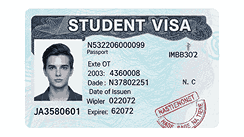
What Is The Definition Of A Student Visa?
A student visa is a legal document or endorsement issued by a government that allows foreign nationals to enter, reside, and study in the host country for a specified period of time. It is typically granted to individuals who have been accepted into an accredited educational institution. Student visas often come with specific conditions, such as restrictions on employment, mandatory enrollment in full-time courses, and proof of sufficient financial support. Different countries have varying visa requirements, processing times, and eligibility criteria. This visa is crucial for international students because it legally grants them permission to pursue academic programs, attend classes, and sometimes gain limited work experience while studying abroad.

Importance Of A Student Visa For International Students
A student visa is essential for international students because it grants them legal entry into a foreign country to pursue their academic goals. Without a valid visa, students cannot access education systems abroad or stay for the duration of their studies. It ensures compliance with immigration laws, protects students from being classified as illegal immigrants, and allows access to student benefits like healthcare, internships, and part-time jobs. Moreover, having a student visa demonstrates a commitment to education, making it easier to apply for scholarships and financial aid. Many countries also allow post-study work opportunities, which can pave the way for permanent residency or professional advancement.
Factors That Affect Student Visa Processing Time

Several factors influence how long it takes to get a student visa. The first is the country of application, as each nation has its own visa requirements and workload. Application completeness is another factor; missing documents can delay processing. Seasonal demand, especially before academic semesters begin, often extends waiting times. Security checks and background verifications also play a role in determining approval speed. Additionally, whether an applicant requires an interview can add time to the process. Lastly, the applicant’s nationality may influence processing due to bilateral agreements or security protocols between countries.
Common Steps Involved In Student Visa Application
The student visa process usually begins with securing an acceptance letter from a recognized educational institution. Applicants must then gather the required documents, which may include academic transcripts, proof of financial stability, and passport details. Next comes the completion of an online or paper-based visa application form, followed by the payment of the visa fee. In many cases, applicants must attend a biometric appointment or visa interview. After submission, the application undergoes background checks, academic verification, and financial review. Finally, a decision is made, and if approved, the visa is issued in the applicant’s passport, allowing them to travel and study abroad legally.
Differences In Student Visa Processing Across Countries
Processing times for student visas vary greatly across countries. For instance, the United States typically processes student visas within weeks, though peak seasons can cause delays. The United Kingdom often takes a few weeks, while Canada and Australia generally range between one to three months. Countries like Germany or France may take longer due to additional documentation and embassy workload. Some countries also provide expedited options for urgent cases. Local embassy capacity, application volume, and national security regulations all impact how quickly visas are issued. Therefore, students should always apply well in advance of their intended academic start date.
Tips To Speed Up Student Visa Approval
Students can increase their chances of quicker visa approval by following certain strategies. Submitting all required documents accurately and on time is crucial. Applying several months before the academic program begins helps avoid peak delays. Preparing for the visa interview thoroughly can also prevent unnecessary complications. Using official and verifiable financial statements ensures smooth processing. In addition, keeping copies of all submitted materials reduces the risk of missing paperwork. Some countries allow applicants to track their status online, which helps monitor progress and respond quickly if additional information is requested. Hiring a certified immigration consultant may also simplify the process.
Common Mistakes That Delay Student Visa Processing
Many students face delays due to errors in their visa applications. Submitting incomplete forms or missing documents is the most common mistake. Providing inconsistent financial information often raises red flags. Failure to meet health or security requirements may also result in setbacks. Late applications, especially during busy admission periods, can extend waiting times significantly. Misrepresentation or false information not only causes rejection but may also ban future applications. Students sometimes overlook the importance of following embassy guidelines, leading to processing delays. Being well-prepared, accurate, and truthful is essential for avoiding unnecessary complications and securing timely approval.
Role Of Financial Proof In Student Visa Approval
Financial documentation is a critical requirement in almost every student visa application. Governments need assurance that international students can support themselves during their studies without becoming a financial burden on the host country. Proof may include bank statements, scholarship letters, or financial guarantees from sponsors. Insufficient or unverifiable funds are one of the leading reasons for visa delays or denials. Some countries even specify the minimum amount required to cover tuition and living expenses. Providing transparent, recent, and official documentation ensures a smoother process. Strong financial proof reassures immigration officers of a student’s ability to manage study and living costs abroad.
Impact Of Student Visa On Employment Opportunities
A student visa not only permits study but may also include limited employment rights. In countries like the United States, the visa allows students to work on-campus or through programs like Optional Practical Training (OPT). Canada and Australia permit part-time work during semesters and full-time during breaks. However, violating employment restrictions can lead to visa cancellation. Work opportunities provide valuable experience, financial support, and career development. Post-study work visas are also available in many nations, helping students transition into permanent residency or long-term careers. Understanding employment conditions linked to student visas is vital to avoid legal issues.
Benefits Of Applying Early For A Student Visa
Early application significantly increases the chances of smooth visa processing. Embassies and consulates often experience heavy workloads just before academic terms, leading to delays. Applying months in advance allows time for corrections if documents are missing or errors occur. Early approval also gives students peace of mind, enabling them to focus on preparing for travel, accommodation, and studies. It allows room to handle unexpected challenges such as interview rescheduling or additional background checks. In some countries, early applications are even prioritized. Ultimately, applying early ensures students can begin their education abroad without stress or last-minute obstacles.
Conclusion
Obtaining a student visa is a crucial step for international students planning to study abroad. The processing time depends on multiple factors, including the host country, applicant’s preparedness, and seasonal demand. Submitting a complete, accurate application and applying early are key to avoiding delays. Understanding financial requirements, interview expectations, and employment conditions ensures a smoother experience. With proper planning and timely action, students can secure their student visas and begin their educational journey abroad without unnecessary complications.
Frequently Asked Questions
1. How Long Does It Take To Get A Student Visa?
The time it takes to get a student visa depends on the country and the applicant’s preparation. In most cases, processing takes between a few weeks to three months. Some countries, like the United States and the United Kingdom, issue visas faster, often within weeks, while others, like Germany or Canada, may take longer due to high demand and strict requirements. Early application is highly recommended to avoid delays caused by seasonal rush or incomplete submissions. Providing accurate documents and preparing for interviews can also speed up approval. Each embassy has unique timelines, so checking local guidelines is important.
2. What Is The Definition Of A Student Visa?
A student visa is an official authorization issued by a foreign government that allows international students to legally study in that country for a set period of time. It is typically tied to enrollment in an accredited school or university and requires proof of admission, financial stability, and sometimes health checks. Unlike tourist visas, student visas come with specific conditions, such as restrictions on work and mandatory full-time enrollment. Depending on the country, student visas may also grant post-study work opportunities. Having this visa is essential for international students who want to access academic institutions and legally remain abroad.
3. What Documents Are Required To Apply For A Student Visa?
Applying for a student visa requires several essential documents. Most countries ask for a valid passport, proof of acceptance from an accredited institution, and recent passport-sized photographs. Financial documentation such as bank statements or scholarship awards is usually required to prove the ability to cover tuition and living expenses. Academic transcripts, language proficiency test results, and a completed application form are also necessary. Some countries require medical or health clearance certificates. Additionally, a visa application fee receipt and, in certain cases, a sponsorship letter or affidavit of support may be needed. Submitting accurate documents avoids unnecessary delays.
4. How Much Bank Balance Is Required For A Student Visa?
The required bank balance for a student visa depends on the host country’s regulations. Most governments want assurance that students can pay tuition fees and living costs without financial hardship. For example, Canada requires proof of funds covering tuition plus an additional set amount for living expenses. The United Kingdom also has fixed financial requirements, often requiring proof of several months’ worth of living costs in addition to tuition. Students may show bank statements, scholarships, or sponsor letters. Ensuring sufficient funds not only speeds up the visa process but also prevents rejection due to financial insufficiency.
5. How Early Should I Apply For A Student Visa?
It is recommended to apply for a student visa as early as possible, ideally three to six months before the academic program begins. This timeframe allows enough flexibility to address unexpected delays, such as requests for additional documents or extended background checks. Early application also helps avoid peak seasonal traffic at embassies, which can lead to longer waiting times. Moreover, obtaining a visa early gives students more time to prepare for travel, arrange accommodation, and adapt to new environments. By applying early, students reduce the stress of last-minute approvals and increase their chances of starting studies on time.
6. Can A Student Visa Be Denied?
Yes, a student visa can be denied if the applicant fails to meet specific requirements. Common reasons include incomplete documents, insufficient financial proof, poor interview performance, or inconsistencies in the application. In some cases, visa denial happens due to security concerns, health issues, or providing false information. Each country has strict eligibility rules, and even small errors can lead to rejection. To avoid denial, applicants should ensure accuracy, honesty, and compliance with all embassy guidelines. In the event of rejection, some countries allow appeals or reapplications, but addressing the reasons for refusal is essential for future success.
7. What Is The Role Of An Interview In The Student Visa Process?
For many countries, a visa interview is a key part of the student visa process. During the interview, consular officers assess the applicant’s intentions, financial readiness, and eligibility for studying abroad. Questions often cover study plans, university selection, financial support, and future goals. A confident and honest interview helps establish credibility. While not all countries require interviews, those that do use them as an additional screening step to prevent misuse of student visas. Proper preparation, truthful answers, and bringing all necessary documents ensure a smoother experience. Poor preparation or inconsistent responses may lead to rejection or delays.
8. How Does Country Choice Affect Student Visa Approval Time?
The choice of study destination plays a major role in visa approval times. Countries like the United States, the United Kingdom, and Australia generally process student visas within weeks. However, Canada and Germany may take longer due to additional requirements and high application volume. Each embassy sets its own timelines based on resources, workload, and security protocols. Some countries offer priority or expedited services at an additional cost, which can speed up approvals. Students should research the average processing time of their chosen destination and plan accordingly to ensure they meet academic start dates without stress.
9. Can I Work While Studying On A Student Visa?
In many countries, student visas come with limited work rights. For instance, students in the United States can work on-campus and later apply for Optional Practical Training. Canada and Australia allow part-time work during semesters and full-time work during holidays. The United Kingdom also permits limited working hours, provided certain conditions are met. However, exceeding work limits or violating employment conditions can lead to visa cancellation. Working while studying helps cover living costs and provides valuable experience. Students must check their visa conditions carefully to ensure compliance and avoid penalties that could jeopardize their education abroad.
10. How Do I Track My Student Visa Application Status?
Most countries provide online tracking systems that allow applicants to check the status of their student visa applications. Once an application is submitted, students usually receive a reference or tracking number. Using this number, they can log into the embassy or consulate’s official website to monitor updates. Some countries also send email or SMS notifications regarding progress. In certain cases, applicants may need to contact the visa application center directly for updates. Regularly checking the status ensures students can respond quickly if additional documents are requested. This proactive approach reduces delays and provides peace of mind.
11. How Long Is A Student Visa Valid For?
The validity of a student visa depends on the duration of the study program. In most countries, the visa is issued to cover the full length of the academic course, plus a short grace period for departure. For example, a four-year degree program may come with a student visa valid for the same duration. Some countries also allow extensions if students continue their studies or enroll in new programs. Students must ensure they do not overstay their visa, as this may result in penalties or bans on reentry. Extensions should be applied for before the visa expires.
12. What Are The Health Requirements For A Student Visa?
Health requirements are an important part of many student visa applications. Some countries require medical examinations to ensure applicants are free from contagious diseases or serious health conditions that could strain public health systems. For example, Australia and Canada have mandatory health checks, while others may only require proof of vaccinations. Failure to meet health standards can delay or even prevent approval. Students should schedule medical exams early and obtain official health certificates to avoid setbacks. Providing truthful medical information is essential, as concealment of health issues can lead to rejection and future immigration complications.
13. Can A Student Visa Be Converted Into A Work Visa?
In some countries, student visas can be converted into work visas after graduation. For instance, the United Kingdom offers a Graduate Route visa, while Canada has a Post-Graduation Work Permit. The United States provides Optional Practical Training, which allows students to work temporarily in their field of study. Conversion requirements vary by country but often include proof of graduation, employment offers, or sponsorships. Transitioning from a student visa to a work visa can open opportunities for long-term residency and career advancement. However, the process requires careful planning and adherence to specific immigration policies.
14. How Much Time Does It Take To Get A Student Visa For The United States?
For the United States, the student visa process is generally quicker compared to some other countries. Once a student has been accepted into a university and paid the SEVIS fee, the visa interview can usually be scheduled within weeks. After the interview, most visas are issued within days, unless additional security checks are required. On average, the process takes about three to six weeks. However, during busy academic seasons, appointment availability may be limited, causing delays. Students are advised to apply early, prepare thoroughly for the interview, and ensure that all financial and academic documents are complete.
15. How Much Time Does It Take To Get A Student Visa For Canada?
The processing time for a Canadian student visa varies depending on the applicant’s country of residence. On average, it can take four to twelve weeks. The application requires proof of funds, an acceptance letter, and biometrics, which may extend the waiting period. Canada also offers a Student Direct Stream (SDS) program for faster processing in certain countries, often reducing waiting times to just a few weeks. Seasonal demand plays a major role, so applying early is highly recommended. By preparing well and submitting accurate documentation, students can improve their chances of receiving a Canadian study permit on time.
16. How Much Time Does It Take To Get A Student Visa For The United Kingdom?
The United Kingdom typically processes student visas within three weeks of receiving an application. However, during busy seasons, processing may extend to six weeks or more. Applicants must provide a Confirmation of Acceptance for Studies (CAS) from their institution, financial proof, and valid documents. The UK also offers priority services at an additional cost, which can speed up the process significantly. Students should apply early to secure enough time for travel and settling in before classes begin. Timely preparation and accurate applications are key to avoiding unnecessary complications with UK student visa processing.
17. How Much Time Does It Take To Get A Student Visa For Australia?
Australia’s student visa processing time generally ranges from one to three months, depending on the applicant’s circumstances and country of residence. Applications are assessed based on academic acceptance, financial stability, and health requirements. Peak seasons may cause delays, while complete and accurate submissions can lead to quicker approvals. Australia also uses a streamlined visa processing system for certain institutions, which speeds up applications. Students are encouraged to apply well before their intended travel date to allow time for health checks, biometrics, and potential interviews. Early submission ensures smoother approval and avoids last-minute disruptions.
18. How Much Time Does It Take To Get A Student Visa For Germany?
Germany typically takes longer than many other countries to process student visas. On average, it can take six to twelve weeks, but in some cases, it may extend up to three months or more. The process requires proof of admission, financial guarantees, and blocked bank accounts to demonstrate sufficient funds. Appointments at German embassies may also take weeks to secure, adding to the overall waiting period. Because of these timelines, students are strongly advised to apply early, ideally three to six months before their course starts, to ensure they arrive in Germany on time.
19. How Much Time Does It Take To Get A Student Visa For France?
The processing time for a French student visa generally ranges between four and eight weeks. Applicants must first complete a pre-application through Campus France, followed by a visa appointment at the consulate. The process requires proof of admission, financial means, and health insurance. Delays may occur during peak academic seasons, making early application crucial. France also provides long-stay student visas that align with the duration of the academic program. Submitting complete and accurate documentation speeds up processing, while errors or missing papers can cause significant setbacks. Planning ahead ensures a smoother path to studying in France.
20. Can I Extend My Student Visa If My Studies Take Longer?
Yes, most countries allow students to extend their visas if their academic programs take longer than expected. Extensions are typically granted if the student provides proof of continued enrollment and sufficient financial resources. Applications for extension should be submitted before the current visa expires to avoid legal issues. Some countries may require additional health checks or interviews as part of the extension process. Failing to extend on time can result in penalties, forced departure, or difficulty applying for future visas. Proper planning and timely action ensure that students remain legally enrolled and continue their studies without interruption.
Further Reading
- What Are The Requirements For A Student Visa?
- How To Apply For A Student Visa: A Step-by-step Guide
- What Is A Student Visa? | Definition, Meaning, Types, Application Process, Eligibility Requirements, Duration, Validity Of A Student Visa
- Can A United States (U.S.) Visa (American Visa) Be Revoked At The Airport?
- Does A United States (U.S.) Visa (American Visa) Expire?
- What Happens If My United States (U.S.) Visa (American Visa) Expires While I Am In The U.S.?
- Can I Apply For Multiple United States (U.S.) Visa (American Visa) Categories At Once?
- Do I Need A United States (U.S.) Visa (American Visa) If I Have A Green Card?
- Do Refugees Need A United States (U.S.) Visa (American Visa)?
- How To Cancel Your United States (U.S.) Visa (American Visa)