

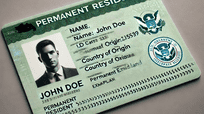
The Permanent Resident Card In The United States (U.S.)
The Permanent Resident Card in the United States (U.S.), commonly known as a Green Card, is an official identification that grants foreign nationals lawful permanent residency in the U.S. A Green Card holder has the right to live and work permanently in the country, enjoy many benefits similar to U.S. citizens, and apply for citizenship after meeting specific residency and legal requirements. The Permanent Resident Card in the United States (U.S.) is a critical document for immigrants who wish to establish a long-term life in the country, providing legal proof of their permanent status and authorization.
The U.S. government issues the Permanent Resident Card in the United States (U.S.) through the United States Citizenship and Immigration Services (USCIS), under the Department of Homeland Security. Understanding the requirements, eligibility, benefits, and responsibilities attached to the Permanent Resident Card in the United States (U.S.) is essential for those who intend to become part of the American society permanently.
Types Of Permanent Resident Cards In The United States (U.S.)
There are several categories of the Permanent Resident Card in the United States (U.S.) depending on the basis of eligibility. These include family-based Green Cards, employment-based Green Cards, refugee or asylum status-based Green Cards, and Diversity Visa (DV) Lottery Green Cards. Each type has different requirements and application processes, but all lead to the issuance of the Permanent Resident Card in the United States (U.S.) which grants similar legal benefits.
Eligibility Criteria For A Permanent Resident Card In The United States (U.S.)
To obtain a Permanent Resident Card in the United States (U.S.), applicants must meet strict eligibility criteria. Family-sponsored applicants need a close relative who is a U.S. citizen or lawful permanent resident. Employment-based applicants need a U.S. employer’s sponsorship or a qualifying job offer. Refugees, asylum seekers, and those with special immigrant status must also meet specific criteria. Meeting these eligibility standards is the first step toward acquiring the Permanent Resident Card in the United States (U.S.).
Application Process For A Permanent Resident Card In The United States (U.S.)
The application process for the Permanent Resident Card in the United States (U.S.) typically involves filing Form I-485, Application to Register Permanent Residence or Adjust Status, with the USCIS. Applicants must provide supporting documentation, undergo a biometrics appointment, attend an interview (if required), and pass background checks. Each stage of this process is vital to ensure that the applicant qualifies for a Permanent Resident Card in the United States (U.S.).
Processing Time For The Permanent Resident Card In The United States (U.S.)

The time it takes to receive the Permanent Resident Card in the United States (U.S.) varies based on the applicant’s category, location, and the workload of USCIS. In general, it can range from several months to a few years. Immediate relatives of U.S. citizens often experience shorter waiting times, while employment-based or diversity visa applicants may face longer processing times before receiving their Permanent Resident Card in the United States (U.S.).
Rights Of A Holder Of The Permanent Resident Card In The United States (U.S.)
Holders of the Permanent Resident Card in the United States (U.S.) enjoy a broad range of rights. These include the right to live and work in the U.S. indefinitely, protection under U.S. laws, the ability to own property, and access to education and health care. Additionally, they can sponsor relatives for Green Cards and eventually apply for U.S. citizenship. These rights highlight the value of the Permanent Resident Card in the United States (U.S.).
Responsibilities Of A Holder Of The Permanent Resident Card In The United States (U.S.)
With the rights of the Permanent Resident Card in the United States (U.S.) come responsibilities. Green Card holders must obey all laws, file U.S. income tax returns, support the democratic form of government, and notify USCIS of any address changes. They must also carry proof of their permanent resident status at all times. Failure to fulfill these obligations can jeopardize their status or lead to deportation.
Renewing The Permanent Resident Card In The United States (U.S.)
The Permanent Resident Card in the United States (U.S.) typically expires every 10 years and must be renewed by submitting Form I-90 to the USCIS. It is recommended to file for renewal at least six months before the expiration date. While expiration does not end the legal residency status, it does affect the ability to travel, work, or prove legal status. Keeping the Permanent Resident Card in the United States (U.S.) current is crucial for all lawful permanent residents.
Replacing A Lost Or Damaged Permanent Resident Card In The United States (U.S.)
If the Permanent Resident Card in the United States (U.S.) is lost, stolen, or damaged, the holder must file Form I-90 for a replacement. The USCIS will issue a new card after verifying identity and eligibility. During this process, it is possible to request temporary proof of status, which can be used for work or travel until the new Permanent Resident Card in the United States (U.S.) is issued.
Traveling With The Permanent Resident Card In The United States (U.S.)
Holders of the Permanent Resident Card in the United States (U.S.) can travel abroad and return to the country, but there are important limitations. Extended travel outside the U.S. (typically over 6 months) may raise questions about abandonment of residency. To avoid issues, residents should apply for a re-entry permit if they plan to stay abroad for an extended time while maintaining their Permanent Resident Card in the United States (U.S.).
Path To Citizenship With The Permanent Resident Card In The United States (U.S.)
The Permanent Resident Card in the United States (U.S.) is a necessary step toward U.S. citizenship. After holding the card for at least five years (or three years for spouses of U.S. citizens), residents can apply for naturalization. They must meet residency, language, and civics knowledge requirements, and demonstrate good moral character. Thus, the Permanent Resident Card in the United States (U.S.) is both a legal identity and a gateway to full citizenship.
Green Card Through Family Sponsorship In The United States (U.S.)
Family-based immigration is one of the most common routes to obtaining a Permanent Resident Card in the United States (U.S.). U.S. citizens can petition for spouses, children, parents, and siblings, while Green Card holders can sponsor spouses and unmarried children. Priority is given to immediate relatives, and each petition must include proof of relationship and eligibility. This family connection creates a clear path to the Permanent Resident Card in the United States (U.S.).
Green Card Through Employment In The United States (U.S.)
Employment-based immigration allows skilled workers, professionals, and certain other workers to qualify for a Permanent Resident Card in the United States (U.S.). Employers must usually file a labor certification and prove there are no qualified U.S. workers for the job. Afterward, a petition is filed with USCIS to sponsor the worker for permanent residency. This process provides highly qualified individuals the opportunity to live and work permanently with a Permanent Resident Card in the United States (U.S.).
Green Card Through The Diversity Visa Lottery In The United States (U.S.)
The Diversity Visa (DV) Lottery is a U.S. immigration program that offers 50,000 Permanent Resident Cards in the United States (U.S.) annually to individuals from countries with low immigration rates to the U.S. Applicants must meet education or work experience requirements and be randomly selected. Winners are then allowed to apply for a Green Card, making this one of the few avenues to the Permanent Resident Card in the United States (U.S.) based on chance.
Removing Conditions On A Conditional Permanent Resident Card In The United States (U.S.)
Some individuals receive a conditional Permanent Resident Card in the United States (U.S.) valid for only two years, especially in marriage-based cases. To convert this into a full 10-year Green Card, Form I-751 must be filed within 90 days of expiration. Evidence must be submitted showing the marriage was entered in good faith. This ensures the integrity of the Permanent Resident Card in the United States (U.S.) system.
Revocation Or Loss Of The Permanent Resident Card In The United States (U.S.)
The Permanent Resident Card in the United States (U.S.) can be revoked for serious reasons, including criminal convictions, immigration fraud, or abandonment of residency. Removal proceedings can lead to deportation and the loss of permanent resident status. Understanding the grounds for revocation helps Green Card holders protect their rights and maintain lawful status under the Permanent Resident Card in the United States (U.S.).
Green Card And Public Benefits In The United States (U.S.)
Holders of the Permanent Resident Card in the United States (U.S.) may be eligible for certain public benefits such as Medicaid, Supplemental Security Income (SSI), and Temporary Assistance for Needy Families (TANF), depending on their income, state of residence, and time since obtaining the Green Card. However, usage of benefits can impact future citizenship applications or trigger public charge concerns. Wise use of public services is vital when holding a Permanent Resident Card in the United States (U.S.).
Impact Of Criminal Records On The Permanent Resident Card In The United States (U.S.)
Criminal convictions can significantly affect the status of a Permanent Resident Card in the United States (U.S.). Certain crimes may lead to inadmissibility, denial of naturalization, or removal from the country. Green Card holders must avoid legal troubles and seek legal counsel when facing charges to protect their right to retain the Permanent Resident Card in the United States (U.S.).
Conclusion
The Permanent Resident Card in the United States (U.S.) is a powerful legal document that grants lawful permanent residency and opens the door to opportunities, security, and eventual citizenship. It is essential for immigrants seeking a stable life in the U.S., offering rights balanced by important responsibilities. Understanding how to obtain, maintain, renew, or upgrade this card is vital for all foreign nationals looking to establish long-term residency in America.
Frequently Asked Questions
1. What Is The Permanent Resident Card In The United States (U.S.)?
The Permanent Resident Card in the United States (U.S.), commonly known as the Green Card, is an official document issued by U.S. Citizenship and Immigration Services (USCIS) that grants an individual the legal right to live and work permanently in the United States. It serves as proof of lawful permanent resident (LPR) status and is essential for those not holding U.S. citizenship but authorized to reside indefinitely in the country. The card also allows individuals to travel in and out of the U.S., sponsor certain family members for residency, and apply for U.S. citizenship after fulfilling the residency requirement. Green Cards are typically valid for 10 years and must be renewed before expiration. It is a key step toward full integration into American society.
2. How Do You Apply For The Permanent Resident Card In The United States (U.S.)?
To apply for the Permanent Resident Card in the United States (U.S.), an individual must follow a legal immigration pathway, such as family sponsorship, employment-based immigration, refugee or asylum status, or the Diversity Visa Lottery. The process usually begins with an immigrant petition (Form I-130 or I-140) filed by a qualifying sponsor or employer. Once approved, applicants must either adjust status in the U.S. through Form I-485 or go through consular processing abroad. Supporting documentation, medical exams, and background checks are required. After USCIS or the U.S. Embassy approves the application, the individual receives the Green Card. The application process can be complex and may take several months or years, depending on the visa category, country of origin, and overall eligibility.
3. Who Is Eligible For The Permanent Resident Card In The United States (U.S.)?
Eligibility for the Permanent Resident Card in the United States (U.S.) depends on the individual’s immigration category. The most common pathways include family-sponsored immigration, where immediate relatives of U.S. citizens or permanent residents can apply. Employment-based immigrants with specialized skills or job offers may also qualify. Refugees, asylees, and victims of abuse or trafficking may be eligible under humanitarian grounds. The Diversity Visa Lottery Program allows individuals from underrepresented countries to apply. Additionally, certain investors and special immigrant categories (e.g., religious workers, Afghan/Iraqi translators) may qualify. All applicants must meet admissibility criteria, including health, criminal background, and financial support requirements. Being present legally in the U.S. or having a valid immigrant visa is also necessary to apply successfully.
4. What Are The Benefits Of Holding The Permanent Resident Card In The United States (U.S.)?
Holding the Permanent Resident Card in the United States (U.S.) offers numerous advantages. Green Card holders can live, work, and study anywhere in the U.S. without restriction. They can apply for Social Security, Medicare (after qualifying), and other federal benefits. Permanent residents can sponsor spouses and unmarried children for Green Cards. Additionally, they have access to in-state tuition rates at public universities and are eligible for many scholarships. After maintaining permanent resident status for a certain period (typically five years), Green Card holders can apply for U.S. citizenship. They also receive legal protections under U.S. law. While they cannot vote in federal elections, permanent residents enjoy stability, economic opportunity, and the freedom to travel in and out of the country.
5. How Long Does It Take To Receive The Permanent Resident Card In The United States (U.S.)?
The time it takes to receive the Permanent Resident Card in the United States (U.S.) varies widely depending on the immigration category, country of origin, and USCIS processing times. Family-based Green Cards for immediate relatives of U.S. citizens often take 6 to 12 months, while other family and employment-based categories may take years due to annual visa limits. For Diversity Visa Lottery winners, the process can be completed within a year. Refugees and asylees typically receive their Green Cards one year after status is granted. After approval, it usually takes 2 to 4 weeks to receive the physical Green Card. Delays may occur due to background checks, incomplete documentation, or USCIS backlogs. Applicants can track their case online.
6. What Rights Come With The Permanent Resident Card In The United States (U.S.)?
The Permanent Resident Card in the United States (U.S.) provides holders with several important rights. These include the ability to live and work in the U.S. permanently, protection under federal, state, and local laws, and access to legal employment and Social Security benefits. Green Card holders can travel outside the U.S. and re-enter, though they should not stay abroad for extended periods without re-entry permits. Permanent residents may also own property, start businesses, and attend public schools or universities. They can apply for driver’s licenses, open bank accounts, and obtain loans. While they cannot vote in federal elections, Green Card holders have the right to apply for U.S. citizenship after meeting the residency and other eligibility requirements.
7. Can You Travel With The Permanent Resident Card In The United States (U.S.)?
Yes, you can travel with the Permanent Resident Card in the United States (U.S.). The Green Card serves as a re-entry document for lawful permanent residents returning from abroad. When traveling outside the U.S., permanent residents must present their Green Card and a valid foreign passport upon re-entry. However, trips lasting more than six months may raise concerns about abandonment of residency, and those staying outside the U.S. for over a year must apply for a re-entry permit before departure. Certain countries may require a visa for entry, even with a U.S. Green Card. Frequent or prolonged international travel could affect your eligibility for U.S. citizenship, so it’s important to understand the travel rules associated with your status.
8. What Are The Responsibilities Of Holding The Permanent Resident Card In The United States (U.S.)?
Holding the Permanent Resident Card in the United States (U.S.) comes with legal responsibilities. Permanent residents must obey all U.S. laws and file income taxes with the Internal Revenue Service (IRS). They are required to carry their Green Card at all times as proof of status. Male residents between 18 and 25 must register with the Selective Service. Green Card holders must inform USCIS of any address change within 10 days. They are expected to maintain permanent residency by not abandoning their status, which includes avoiding extended stays outside the U.S. Additionally, permanent residents must renew their card every 10 years or apply for a replacement if lost or damaged. Failing to meet these responsibilities could lead to revocation.
9. How Do You Renew The Permanent Resident Card In The United States (U.S.)?
To renew the Permanent Resident Card in the United States (U.S.), you must file Form I-90, Application to Replace Permanent Resident Card, with USCIS. This form should be submitted about six months before the expiration date printed on the Green Card. The renewal process can be done online or by mail. Applicants must pay the required fee and submit biometric information, including fingerprints and photos. USCIS will review the application and may request an in-person interview or additional documents. After approval, a new card valid for another 10 years will be issued. It’s essential to keep your Green Card current, especially since it serves as your primary proof of legal status and is needed for employment and travel.
10. What Happens If You Lose Your Permanent Resident Card In The United States (U.S.)?
If you lose your Permanent Resident Card in the United States (U.S.), you must apply for a replacement immediately by filing Form I-90 with USCIS. If you’re outside the U.S. when the card is lost, you’ll need to contact the nearest U.S. Embassy or Consulate to obtain a boarding foil (formerly known as transportation letter) to return to the U.S. Upon return, you must file Form I-90 to get a replacement card. A lost card does not mean loss of permanent residency, but you will need proof of status for employment, travel, or benefits. Always report lost or stolen cards to the authorities to protect your identity. Replacement may take several months, so file as soon as possible.
11. Can The Permanent Resident Card In The United States (U.S.) Be Revoked?
Yes, the Permanent Resident Card in the United States (U.S.) can be revoked under certain conditions. While it grants lawful permanent residency, it does not provide absolute protection from deportation. Grounds for revocation include committing certain crimes such as drug trafficking, fraud, or aggravated felonies; violating immigration laws; or engaging in terrorism or espionage. Abandoning your residency by staying outside the U.S. for extended periods or declaring yourself a nonresident on tax returns can also lead to revocation. Additionally, if your Green Card was obtained through misrepresentation or fraud, USCIS may initiate removal proceedings. Permanent residents facing revocation have the right to legal representation and can present their case before an immigration judge during a removal hearing.
12. What Is The Difference Between A Visa And The Permanent Resident Card In The United States (U.S.)?
A visa and the Permanent Resident Card in the United States (U.S.) are both immigration documents but serve different purposes. A visa is a temporary authorization allowing individuals to enter the U.S. for specific reasons such as tourism, work, or study. Visas are usually tied to short-term stays and specific activities, and they do not provide a pathway to permanent residency unless otherwise stated. On the other hand, a Green Card (Permanent Resident Card) grants lawful permanent residence and allows the holder to live and work in the U.S. indefinitely. While visa holders must leave when their status expires, permanent residents enjoy more long-term stability and rights, including the ability to eventually apply for U.S. citizenship.
13. Can You Sponsor Family Members With The Permanent Resident Card In The United States (U.S.)?
Yes, you can sponsor certain family members with the Permanent Resident Card in the United States (U.S.). Lawful permanent residents (Green Card holders) are allowed to file immigration petitions for their spouse and unmarried children of any age. However, unlike U.S. citizens, they cannot sponsor married children, parents, or siblings. Sponsoring family members involves filing Form I-130 (Petition for Alien Relative) with USCIS. After approval, the family member must wait for a visa number to become available, which can take months or years depending on the category and country of origin. Once a visa becomes available, the beneficiary can either adjust status in the U.S. or complete consular processing abroad to receive their own Green Card.
14. What Is The Diversity Visa Lottery And How Does It Lead To A Permanent Resident Card In The United States (U.S.)?
The Diversity Visa (DV) Lottery is a U.S. government program that provides an opportunity for individuals from countries with low rates of immigration to the U.S. to obtain a Permanent Resident Card in the United States (U.S.). Each year, the program issues up to 55,000 visas through a random selection process. Applicants must meet certain education or work experience criteria and be from an eligible country. Winners of the lottery must complete further processing, including background checks, a visa interview, and submission of documents. If approved, they receive an immigrant visa and, upon entering the U.S., are issued a Green Card. The DV Lottery offers a relatively low-cost and accessible path to permanent residency.
15. Can You Work Anywhere With The Permanent Resident Card In The United States (U.S.)?
Yes, holders of the Permanent Resident Card in the United States (U.S.) can work anywhere in the country without restrictions, except for certain federal jobs that require U.S. citizenship. Green Card holders are legally authorized to accept employment from any U.S. employer, start their own business, or become self-employed. They are protected by the same labor laws and workplace protections as U.S. citizens, including minimum wage requirements and workplace safety regulations. Permanent residents can also apply for professional licenses in most states and pursue careers in nearly all industries. The unrestricted work authorization is one of the major benefits of holding a Green Card, providing significant economic freedom and career opportunities throughout the United States.
16. What Is Conditional Permanent Residence In The United States (U.S.)?
Conditional permanent residence in the United States (U.S.) is a temporary form of lawful permanent residency granted to certain individuals, typically those who obtained their status through marriage to a U.S. citizen or permanent resident or through investment (EB-5 visa). This conditional status lasts for two years. Before the end of the two-year period, conditional residents must file a petition (Form I-751 for marriage-based or Form I-829 for investment-based) to remove the conditions and obtain a 10-year Green Card. USCIS evaluates the legitimacy of the marriage or investment before granting full permanent residency. Failure to timely file the removal of conditions or prove eligibility can result in the termination of status and potential removal proceedings.
17. What Happens When The Permanent Resident Card In The United States (U.S.) Expires?
When the Permanent Resident Card in the United States (U.S.) expires, it does not mean you lose your permanent resident status, but it does affect your ability to prove lawful status, re-enter the country after travel, or complete certain tasks like employment verification. To avoid complications, residents should renew their card six months before expiration using Form I-90. While waiting for a replacement, USCIS provides a receipt notice that temporarily extends the validity of the expired card. You should not travel internationally or apply for jobs with an expired Green Card unless you have documentation proving your ongoing legal status. Keeping your Green Card valid is crucial for maintaining everyday privileges and legal compliance in the U.S.
18. Can You Apply For U.S. Citizenship With The Permanent Resident Card In The United States (U.S.)?
Yes, holders of the Permanent Resident Card in the United States (U.S.) can apply for U.S. citizenship through a process called naturalization. Typically, you must be a permanent resident for at least five years (or three years if married to a U.S. citizen), demonstrate continuous residence and physical presence in the U.S., and meet good moral character requirements. You must also pass an English language and U.S. civics test and demonstrate allegiance to the Constitution. The application is submitted via Form N-400. Once approved, the applicant attends a naturalization ceremony where they take the Oath of Allegiance and officially become a U.S. citizen. Citizenship provides additional rights, including voting and obtaining a U.S. passport.
19. Is It Possible To Hold Dual Citizenship With The Permanent Resident Card In The United States (U.S.)?
While the Permanent Resident Card in the United States (U.S.) allows you to live and work in the U.S. indefinitely, it does not in itself grant dual citizenship. Dual citizenship becomes relevant when you apply for U.S. naturalization. The U.S. allows dual citizenship, meaning you can become a U.S. citizen while retaining citizenship in another country—if your home country permits it. As a Green Card holder, you are not considered a dual citizen until you naturalize. After becoming a U.S. citizen, you must obey the laws of both countries and may be subject to taxation and military service obligations in both. It is important to check your original country’s laws before applying for U.S. citizenship.
20. How Can You Check The Status Of Your Permanent Resident Card Application In The United States (U.S.)?
You can check the status of your Permanent Resident Card application in the United States (U.S.) through the U.S. Citizenship and Immigration Services (USCIS) website. Once you submit your application (such as Form I-485 or Form I-90), you receive a receipt notice with a 13-character receipt number. Enter this number on the “Case Status Online” tool at USCIS.gov to view updates. You may also create a USCIS online account to get real-time notifications, upload documents, and communicate directly with USCIS. Additionally, you can contact USCIS by phone or visit a local field office if necessary. Tracking your application is important for ensuring timely submission of additional documents and preparing for interviews or biometrics appointments.
Further Reading
- Can I Work In The United States (U.S.) With A Green Card Lottery Visa?
- How To Check Green Card Lottery Results?
- What Are My Chances Of Winning The Green Card Lottery?
- How To Increase Your Chances Of Winning The Green Card Lottery
- How Are Winners Selected In The Green Card Lottery?
- What Countries Are Eligible Or Ineligible For The Green Card Lottery?
- Who Is Eligible To Enter The Green Card Lottery?
- What Are The Requirements For The Green Card Lottery?
- How Much Does It Cost To Enter The Green Card Lottery?
- When Is The Green Card Lottery Application Period?